
About Ascenda · Human × Agent intelligence
The human layer of AI-native engineering.
Ascenda measures the work, the human doing it, and the relationship between them. Your AI tools record how the work ran. You tell us how it landed. We put the two together, and find out which ways of working actually hold up.
Why we exist
AI changed the engineer's job. The human is still in the loop, and the loop changed.
You write less code than you used to. You spend the day directing, checking and deciding instead. The work is different, and so is what it takes out of you.
Your AI tools keep a detailed record of how the work ran. Your engineering dashboards show how the team delivered. Neither one shows how that work landed on the engineer. That's the layer we build.
Directing
Framing the task, setting the context and deciding what the agent should attempt next.
Checking
Reading what came back, testing it and catching what is subtly wrong before it ships.
Deciding
Accepting, correcting or throwing work away, often across several sessions running at once.
Where it started
I've built software for over twenty years. When I started using AI heavily, I found myself in flow more than ever. It bordered on addiction. Plenty of founders and engineers I know were the same. We pushed it every day.
At one point I was doing 16-hour days, running sixteen agents at once. But more wasn't always better. I was getting more merge issues and spending more time fixing them. The hard decisions felt harder.
Everything was logged: every prompt, every commit, every agent session. Nothing about how I was doing. I had no way to connect the two.
I wanted to see which ways of working actually worked, when flow was helping and when it wasn't.
That's why we built Ascenda.
Nathan Challen, co-founder
Human performance science
Telemetry tells us what happened. Not what it asked of the person.
Human-performance science is how we close that gap, and it’s why one of our two co-founders is a psychologist.
Measurement validity
Whether a measure reflects what it claims to. We treat every reading as provisional until it has been checked against what people report.
Work demand
What the work asked: steering, work in flight, switching, interventions and rework, read from the tools engineers already use.
Human state
Ten-second check-ins on pressure, clarity and activation, in the person's own words.
Recovery
What happens between demanding stretches. Recovery data stays on the engineer's side, with the phone companion, and is never shared with an organisation.
Intervention design
Changing one thing at a time, declaring the measure and baseline before acting, and reporting the readout whichever way it goes.
The team
Systems engineering and human-performance science.
Reading the work takes someone who has built these systems. Reading what it asked of the person takes someone trained in how people respond to demand.

Nathan Challen
Co-founder & CEO
Twenty years designing and building software systems, from products to infrastructure, particularly in industries where human expertise and operational pressure collide.
That background is why Ascenda works the way it does. Read the work from the tools engineers already use. Ask the person about the part no tool can see.
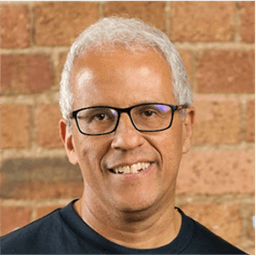
Hamada Els
Co-founder, Human Performance Science
Clinical psychologist by training
Hamada leads the human side of Ascenda's measurement: whether a measure is valid, how work demand is described, how people report their own state, and how changes are designed so their effect can be read honestly.
His work keeps the self-report short and the language plain.
How we hold ourselves to it
Claims no larger than the evidence.
Published rules
What Flow reads, what it sends, and what an organisation can and cannot see are written down on our Trust page. When a rule changes, the change is visible there.
No individual view
Organisations see aggregates, never below 10 people. No manager sees any individual, ever. Consent is per person and can be withdrawn.
You tell us
How the work felt comes from the person, in their own words, and is reported as exactly that.
Readouts either way
When an organisation declares a change, the measure and baseline are fixed before it acts, and the readout is reported whichever way it goes.
Get started
See how the work lands on the people doing it.
If you're an engineer, start with Flow for Mac. It's free, and it reads the weeks you've already worked. If you run a team of ten or more, an AI Exposure & Work Composition Study shows you the whole cohort without a view of any individual.